
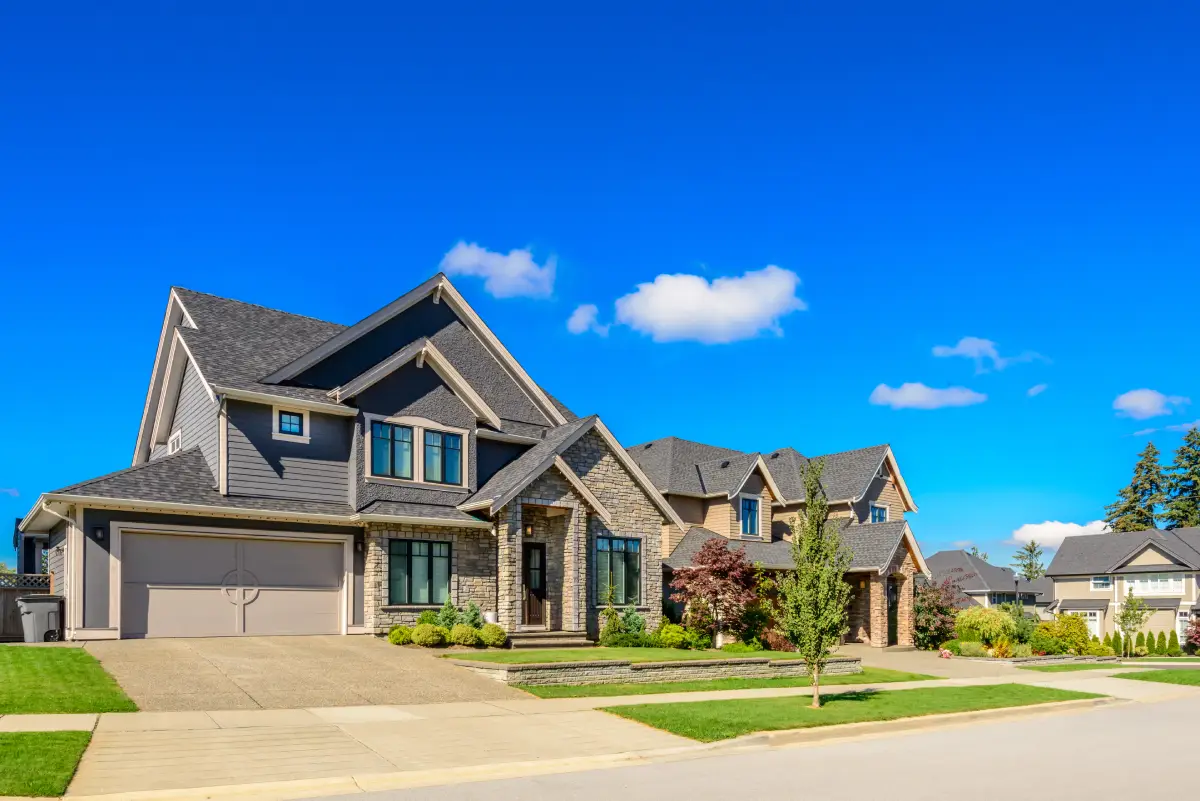
In Arlington, the difference between stress and steady income often starts when you spot strong deals and match the property type to the kind of portfolio you actually want to run. For many residential owners, single-family homes bring a calmer day-to-day, clearer decisions, and a more predictable path for long-term growth.
At PMI Smart Choice, we work strictly with residential rentals across Arlington and the surrounding area. That focus helps us see what consistently supports smoother operations, stronger tenant satisfaction, and more confident investment planning, especially when you’re building a portfolio one smart step at a time.
Key Takeaways
- Single-family homes in Arlington often create fewer tenant-to-tenant issues and faster resolution timelines.
- Flexible layouts and private space can encourage longer leases and steadier occupancy.
- Detached properties typically allow more individualized pricing based on features and neighborhood demand.
- Maintenance planning is often simpler without shared building systems or stacked units.
- Controlled growth is easier when each home operates independently within your portfolio.
Arlington Renters Keep Raising the Bar
Arlington’s rental audience is selective, and that’s helpful when your property matches what people want. Many renters here are looking for stability, convenience, and a home that supports real routines, not a temporary stop.
Single-family homes often line up with those expectations. Private entrances, usable storage, and room to spread out can make a renter feel settled faster. That sense of comfort tends to show up in lease renewals, and renewals are where portfolios often gain momentum.
If you’ve recently purchased your first rental, it also helps to map out what comes next so your early decisions stay aligned with the bigger plan. Our guide on what to do next can help you think through the next phase without rushing it.
Lower Density Often Means Fewer Headaches
Every property type has trade-offs, and density is one of the biggest. When multiple households share walls, hallways, parking, and trash areas, small issues can snowball into bigger frustrations.
Detached homes reduce those flashpoints. Noise complaints tend to drop. Shared-space disputes don’t come up as often. Maintenance visits are typically simpler because you’re coordinating with one household instead of several. Over time, that difference can change how your week feels, especially when your portfolio grows.
From our side, fewer recurring conflicts means we can spend more time on planning, performance tracking, and proactive upkeep, the things that protect your returns.
Space That Helps Tenants Stick Around
Longer tenancies usually come from one simple thing: the home still works as life changes. Arlington renters often shift into hybrid work schedules, welcome family visits, adopt pets, or need a spare room that serves a new purpose.
Single-family layouts are built for flexibility. A third bedroom becomes an office. A dining space becomes a study zone. A basement rec room turns into a workout spot. When tenants can adapt inside the home, they’re less likely to leave because they “outgrew” the space.
Outdoor space adds another layer. Even a small yard, patio, or private walkway can feel like a major upgrade in a busy area. It supports everyday living, weekend hosting, and a little breathing room, which can be a deciding factor when renters compare options.
Pricing Strength Without Internal Competition
Rent pricing gets tricky when your unit competes with similar units in the same building. Multifamily properties often create internal pressure because tenants compare nearly identical floor plans, finishes, and amenities down the hall.
Single-family homes compete differently. Pricing leans on neighborhood demand, curb appeal, upgrades, storage, parking, outdoor space, and overall condition. That gives you more room to position the property based on what makes it unique.
It also helps that demand for detached living remains strong. National housing data shows the median existing single-family home price hit $426,800 in the third quarter of 2025, reflecting how consistently buyers value single-family options. That preference tends to carry over into rentals, especially in markets where space and privacy feel scarce.
Maintenance Planning That’s Easier to Forecast
Maintenance is part of the deal, so the real question is how complicated it gets. Single-family homes usually keep repairs contained to one residence, which helps with scheduling, budgeting, and prioritizing.
Multifamily properties can add layers because shared systems and stacked units create dependencies. A plumbing issue might involve multiple households. Electrical concerns can trigger a ripple of complaints. Exterior work often impacts several tenants at once.
Here are a few maintenance realities that often stay simpler in detached homes:
- Diagnosing problems is faster because systems serve one household
- Scheduling repairs is easier without coordinating access across units
- Budgeting is clearer because costs aren’t shared across common areas
This kind of predictability matters when you’re building a residential portfolio in Arlington. It supports steadier cash flow, fewer surprise costs, and better long-term planning.
Insurance Clarity and Risk Boundaries
Insurance and risk management tend to feel cleaner when responsibility lines are clear. Single-family rentals often have fewer shared-liability scenarios because there are limited common areas and fewer access points used by multiple households.
That doesn’t mean risk disappears, it just becomes easier to define. Coverage can be tailored to the home, and maintenance standards can be enforced more consistently. With insurance rules and policy pricing evolving, owners also benefit from staying informed on local updates that could affect requirements and premiums.
We break down key changes and what they may mean for Arlington landlords in our overview of insurance reform updates.
Growth That Moves at Your Speed
Some investors want to scale fast, others want tighter control. Single-family rentals often support a paced approach because each home operates independently, which makes it easier to evaluate performance before adding the next property.
This also gives you flexibility in where you buy. Instead of stacking units in one building, you can diversify across Arlington pockets that fit your goals, whether that’s tenant profile, commute patterns, school access, or long-term appreciation.
If you’re thinking about growth beyond the next purchase, having a system matters more than having more doors. Our article on portfolio game plan is a helpful read when you’re tightening operations and setting your scaling rules.
Data-Driven Choices Beat Guesswork
Arlington is competitive, and competitive markets reward owners who price accurately and buy with discipline. Solid data helps you compare opportunities, set expectations, and avoid decisions that look good only on paper.
Rental valuation is a big piece of that. A small pricing error can create vacancy, attract the wrong tenant profile, or leave revenue on the table month after month. Your best bet is to tie pricing to local comps, seasonality, condition, and the features tenants actually pay for.
If you want a structured way to approach that process, our guide on dial in rent walks through key steps you can apply consistently across a residential portfolio.
On the demand side, single-family rentals continue to show strong performance in many markets. One notable national data point: single-family rents have been reported as 20% higher than multifamily rents, which supports the idea that renters often pay a premium for privacy, space, and a more “home-like” setup.
FAQs about Single Family Homes in Arlington, VA
Why do single-family rentals tend to feel easier to manage in Arlington?
Detached homes reduce shared-space conflicts and keep maintenance issues contained to one household, which often means fewer escalations, simpler scheduling, and cleaner budgeting compared with buildings where multiple tenants share systems and common areas.
What features help single-family homes attract longer-term tenants?
Flexible layouts, private entrances, storage, parking, and outdoor areas often make renters feel more settled. When the home still works as routines change, tenants have fewer reasons to move, which can improve renewal rates.
How should rent be set for a single-family home in Arlington?
Use nearby comparable homes, condition, upgrades, and demand in the immediate neighborhood. Single-family rentals price based on uniqueness, so features like outdoor space, parking, and usable square footage can meaningfully shift rent ranges.
Do single-family homes cost more to maintain than multifamily units?
Costs vary by age and condition, yet planning is often simpler because systems serve one household. You usually avoid shared infrastructure surprises that can affect multiple units, which can make forecasting and timelines more predictable.
What’s a smart first step before expanding to another Arlington property?
Review your operating routines, maintenance trends, and financial tracking. If your process is repeatable and your current home is performing as expected, adding another property becomes a controlled decision instead of a stressful leap.
Make Arlington Rentals Work Like a System
Single-family homes often deliver a steadier rhythm in Arlington, from tenant satisfaction to pricing flexibility and clearer upkeep planning. When your properties operate cleanly, growth feels less like chaos and more like a strategy you can actually repeat.
At PMI Smart Choice, we help residential owners turn Arlington properties into well-run assets backed by local insight and consistent execution. Build a smarter ownership plan and start shaping long-term momentum with fewer surprises.
